Paris isn’t just about the Eiffel Tower, croissants, and smoky cafés. Beneath the surface of its romantic image lies a quieter, more complex layer - the world of companionship that many call escort Paris. These women aren’t stereotypes. They’re artists, linguists, historians, and sometimes ex-lawyers or former dancers who chose this path for freedom, flexibility, or personal fulfillment. Their role isn’t just physical. It’s emotional, cultural, and deeply tied to how modern Parisians live, connect, and escape the weight of everyday life.
Some turn to edcort pari when they want to experience Paris without the tourist traps - a private dinner in Saint-Germain, a walk along the Seine at sunset, or a conversation about Sartre over wine in a hidden bookstore. These encounters aren’t transactional in the way most assume. They’re curated. They’re personal. And they reflect a city that still values elegance, intellect, and discretion above all else.
Who Are the escort femme a paris?
The term escort femme a paris carries weight. It’s not a label applied lightly. These women often have degrees, speak three or more languages, and know how to navigate everything from the Louvre’s back halls to Michelin-starred kitchens. Many work independently, setting their own hours, choosing their clients, and building long-term relationships based on trust, not payment. One woman I spoke with - a former art historian who now works part-time as a companion - said, "I don’t sell time. I sell presence. And Parisians know the difference."
They’re not in it for the glamour. Most avoid social media. They don’t post selfies on Instagram. Their clients come through word of mouth, vetted referrals, or discreet agencies that prioritize safety and professionalism. The average client isn’t some wealthy foreigner looking for a quick fling. He’s often a local executive who hasn’t had a real conversation in months. Or a widow who misses having someone to share silence with. Or a young expat who just moved here and doesn’t know where to start.
The Modern Parisian Companion
There’s a reason why Paris doesn’t have brothels. The law doesn’t criminalize companionship - only organized prostitution. That legal gray area lets these women operate with surprising autonomy. They rent apartments in Le Marais or the 7th arrondissement. They hire private security consultants. They carry insurance. Some even have accountants. This isn’t underground. It’s institutionalized in a quiet, unspoken way.
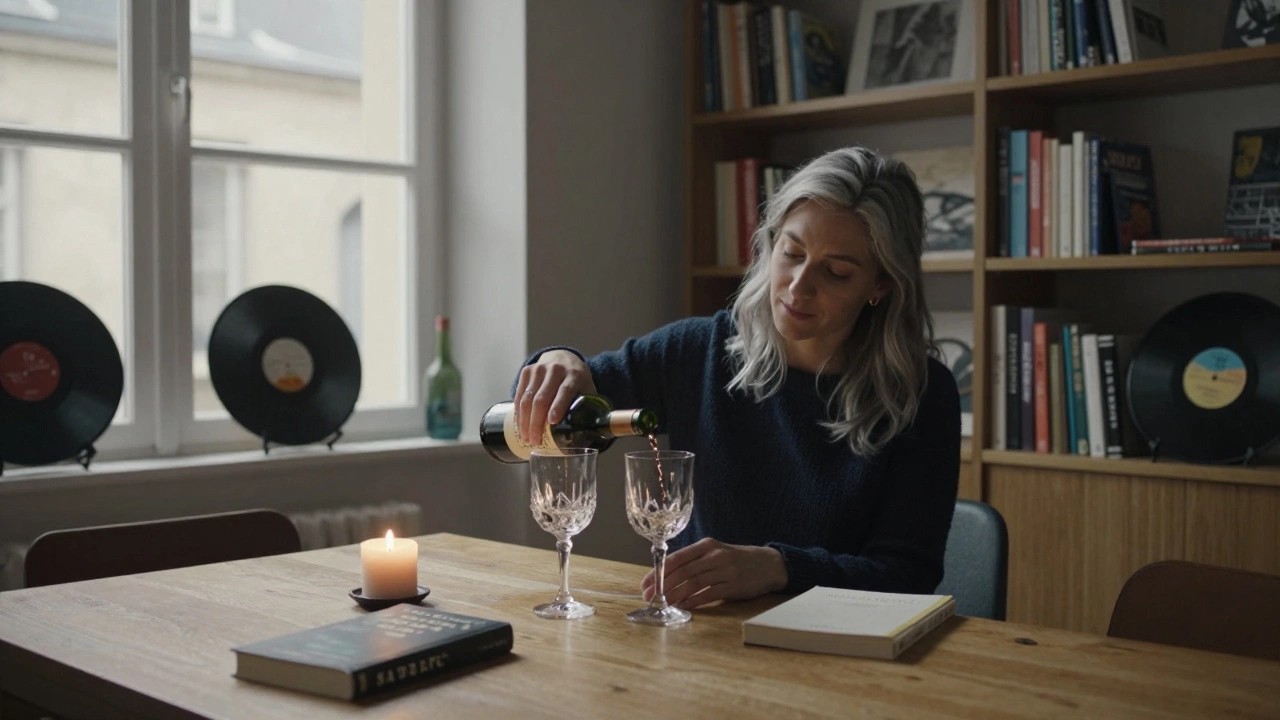
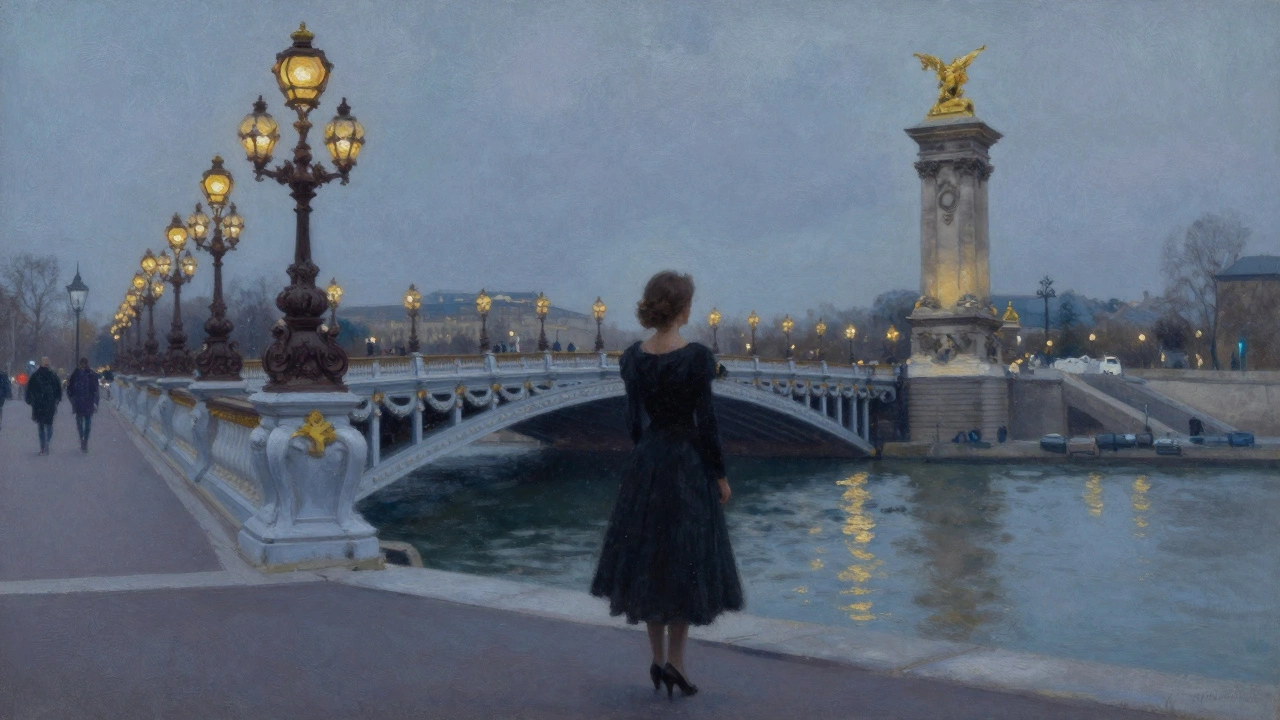
What sets them apart from other cities? Parisian companions don’t just offer company. They offer context. They can explain why the light hits the Pont Alexandre III just right at 5:47 p.m. in October. They know which boulangerie still uses butter from Normandy, not margarine. They remember your favorite book and bring you a first edition next time you meet. One client told me he’d been seeing the same woman for eight years. They never slept together. But he said she was the only person who ever truly listened to him.
Why the Myth Persists
Media paints these women as either seductresses or victims. Neither is true. The truth is messier. Most are middle-class women who chose this work because it gave them control - over their time, their income, and their boundaries. They don’t want pity. They don’t want to be heroes. They just want to be seen as people.
The myth persists because it’s easier to reduce someone to a role than to understand their story. A woman who works as an escort isn’t defined by her job. She’s defined by her choices, her tastes, her humor, her fears. One ecort girl paris I met used to teach piano at a conservatory. Now she takes clients to jazz clubs in Montmartre and tells them stories about Django Reinhardt while sipping absinthe. She doesn’t see herself as different from any other Parisian woman who works in hospitality, art, or education. She just happens to work one-on-one.
The Unspoken Rules
There are no contracts. No formal agreements. But there are rules - unwritten, deeply held, and strictly followed.
- No public displays of affection - not even a kiss on the cheek.
- No asking about personal life unless the companion brings it up.
- No pressure. Ever. If someone says no, it’s final.
- No photos. No recordings. No sharing details.
- No tipping. Payment is agreed on in advance, in cash or bank transfer.
These aren’t just guidelines. They’re sacred. Break one, and you’re blacklisted - not just from one woman, but from the entire network. Reputation is everything. And in a city where anonymity is prized, that’s the highest form of protection.
How It’s Changing
Since 2023, there’s been a quiet shift. More women are entering the field after layoffs in tourism, hospitality, or the arts. Others are older women - 40s and 50s - who’ve been widowed or divorced and need financial independence without returning to corporate life. They’re not hiding anymore. Some have blogs. Others host small salons where clients and companions meet for tea and poetry readings.
Technology hasn’t ruined it. It’s refined it. Apps are used for scheduling, not soliciting. Payment platforms are encrypted. Background checks are common. And the clients? They’re more diverse than ever - women, non-binary individuals, older men, young professionals from Asia and the Middle East. Paris has always been a city of outsiders. Now, its companions reflect that.
What It Really Means to Be an Escort in Paris
To understand this world, you have to let go of assumptions. This isn’t about sex. It’s about connection. It’s about being seen in a city that moves too fast for most to slow down. It’s about someone who remembers you didn’t like the coffee at Café de Flore last time, so they took you to a tiny place in the 13th that brews it with a French press and cinnamon.
These women aren’t selling fantasy. They’re offering reality - the kind that’s hard to find in a world of algorithms and digital noise. They’re the quiet counterpoint to Paris’s loud image. And maybe that’s why the city still needs them.